History of Manchester and Cheshire
Two thousand years under one county line
Roman forts, Viking silver, a palatine earl and a city that built the modern world. This is the ground you will be searching.
Before AD 43
The land before Rome
Lindow Moss, Wilmslow
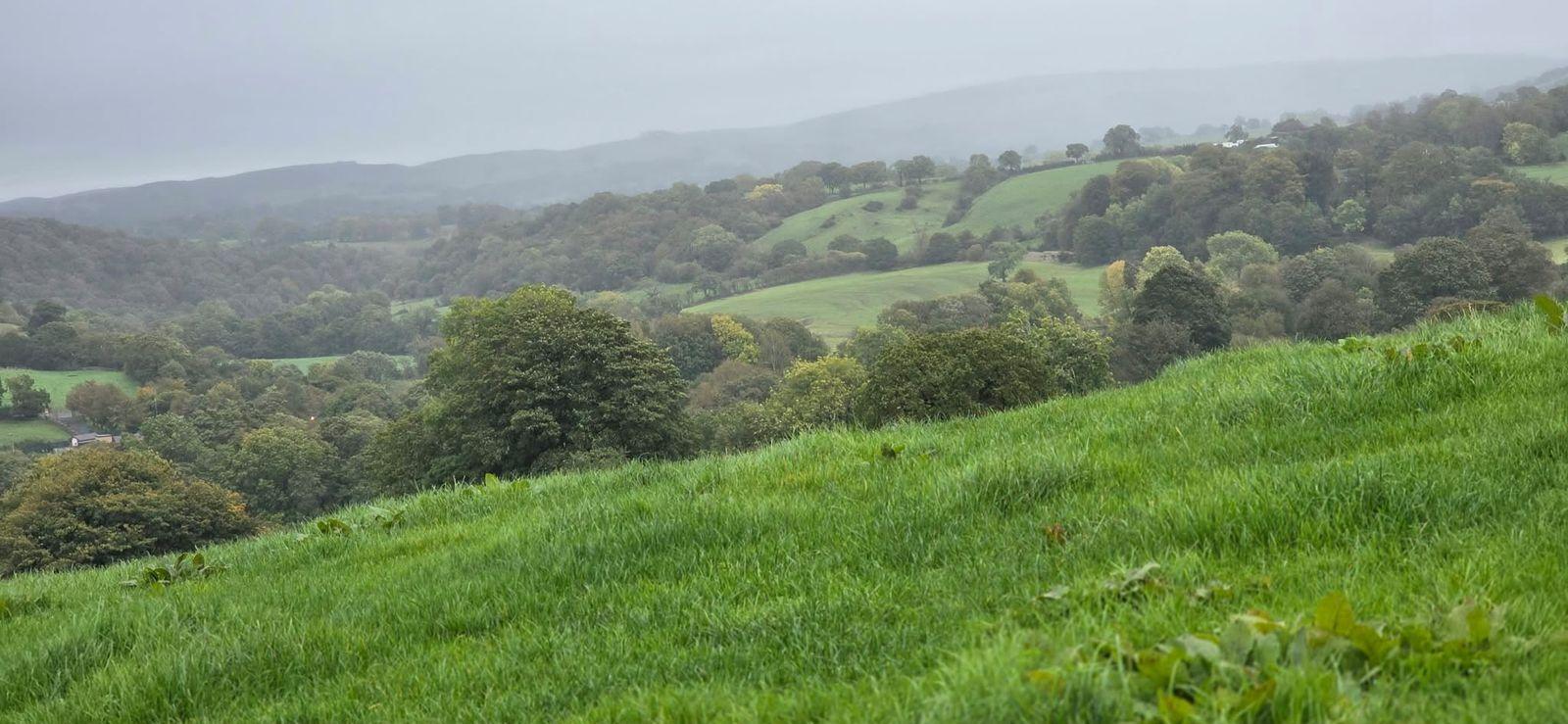
Cheshire and the Manchester basin were wet, wooded and thinly farmed. Hillforts such as Eddisbury and Maiden Castle sat on the sandstone ridges, and Beeston Crag was used long before any castle stood there.
In 1984 peat cutters at Lindow Moss, near Wilmslow, found the body of a man who had been placed in the bog around two thousand years ago. The moss still gives up the odd surprise.
Detectorists look for Bronze Age and Iron Age metalwork is rare, and a single piece is a real event.
AD 70s to 400s
Rome arrives
Chester and Manchester
Rome built a legionary fortress at Deva, now Chester, in the AD 70s. Its amphitheatre was the largest military amphitheatre in Britain. About the same time a fort was raised at Mamucium, where Castlefield in Manchester stands today.
Roads tied the two together. Salt came out of the ground at Northwich and Middlewich, known to the Romans as Condate and Salinae, and was a trade worth protecting for centuries.
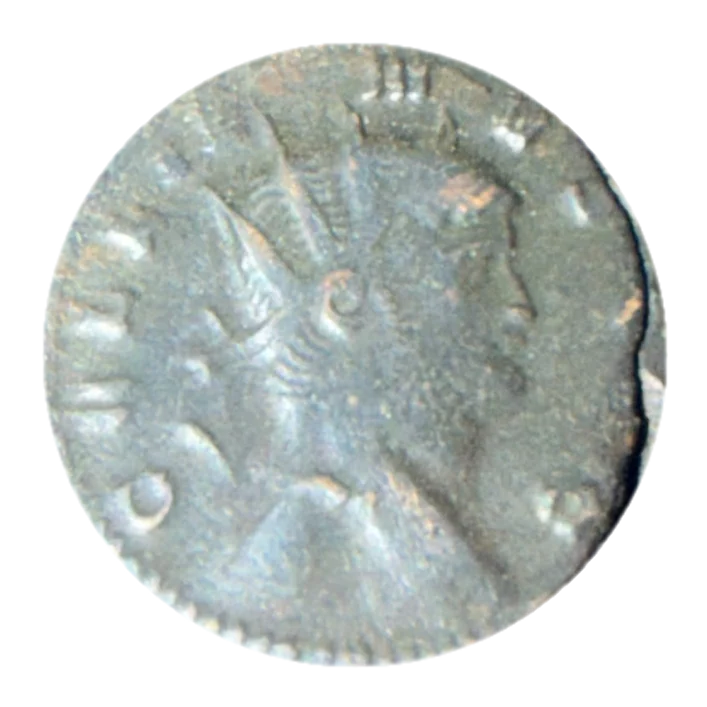
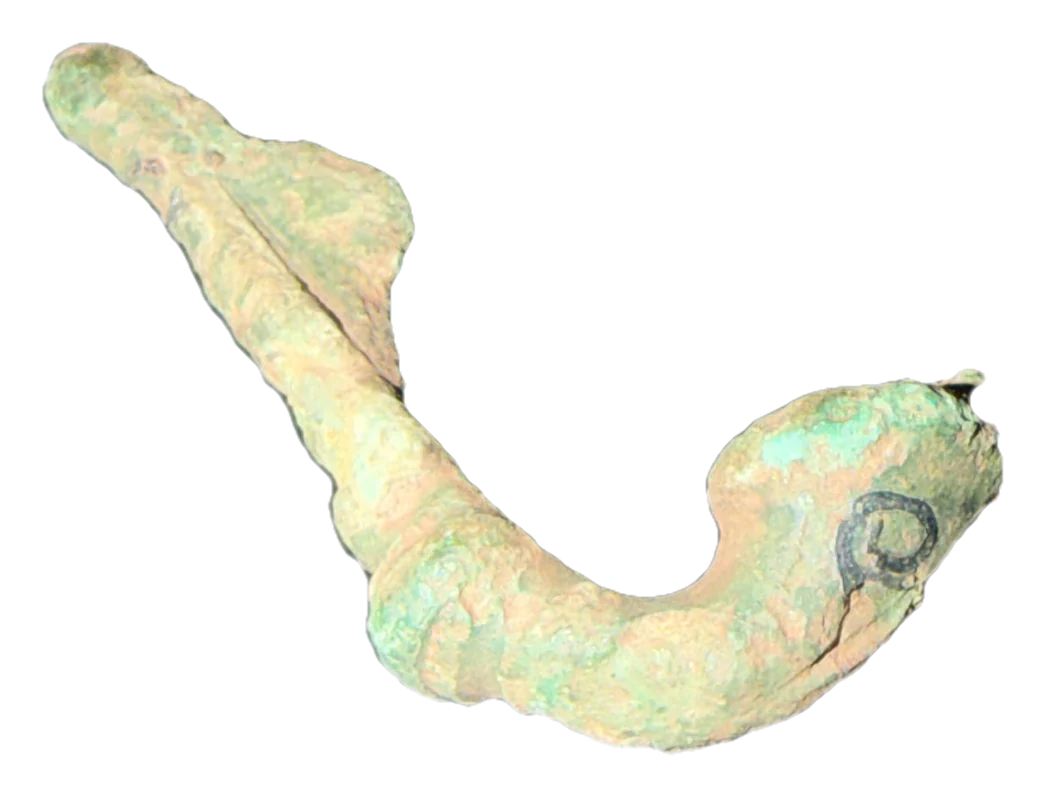
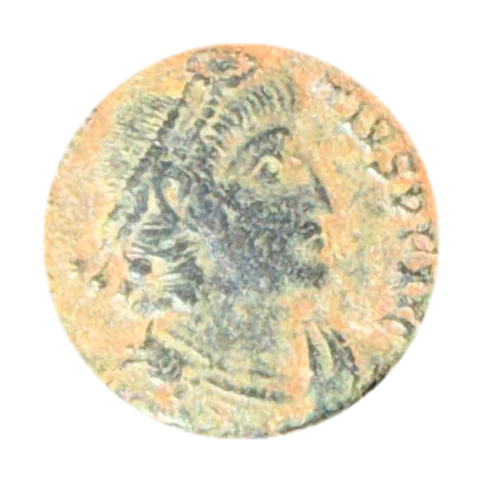
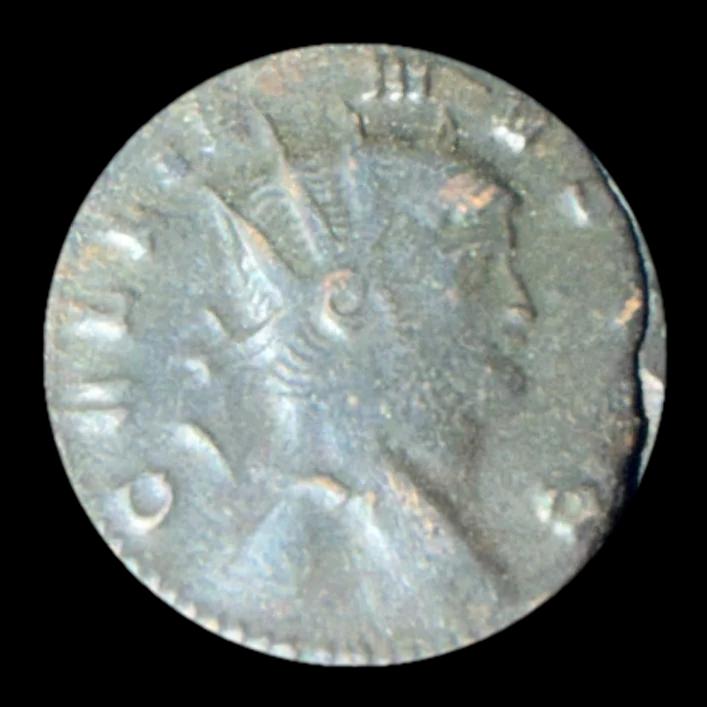
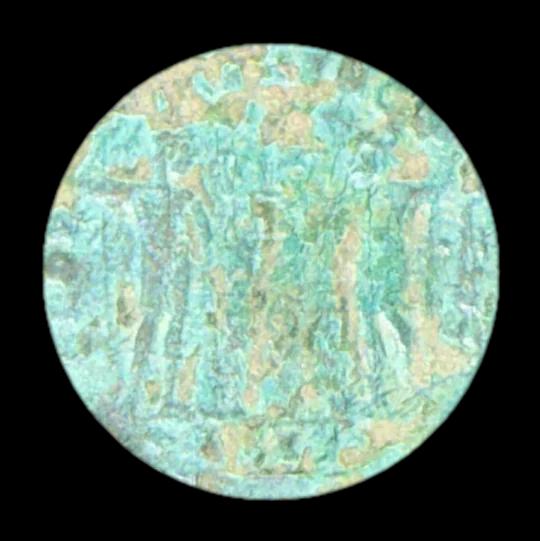
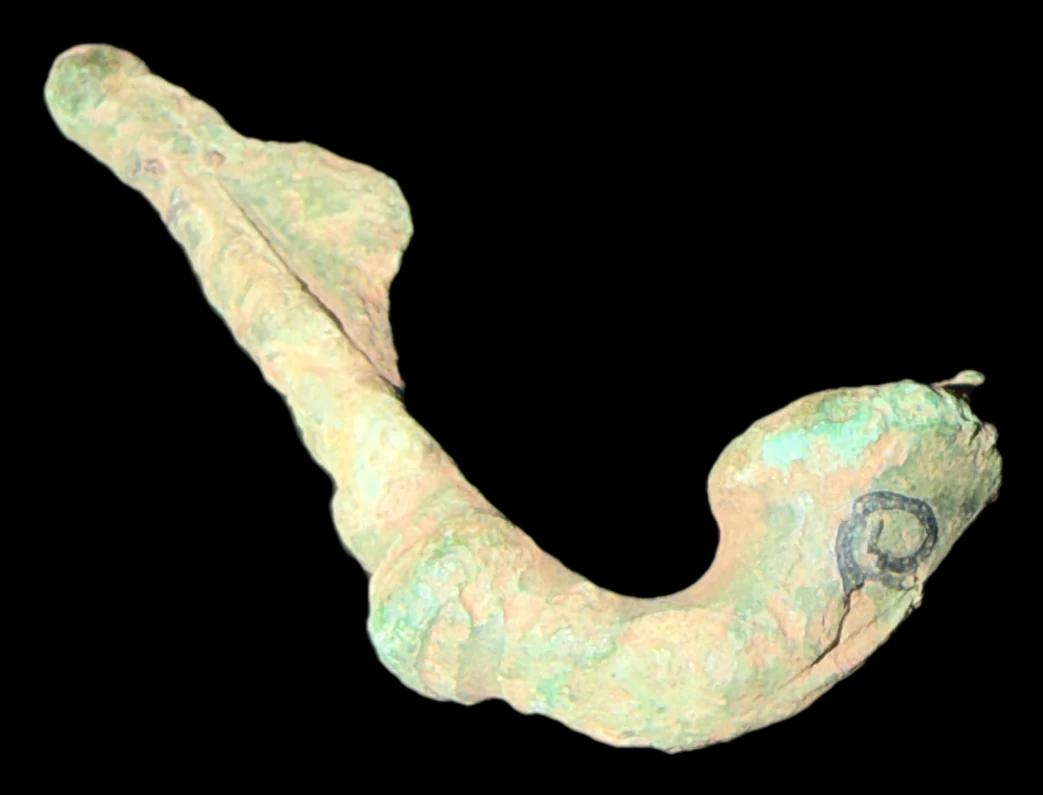
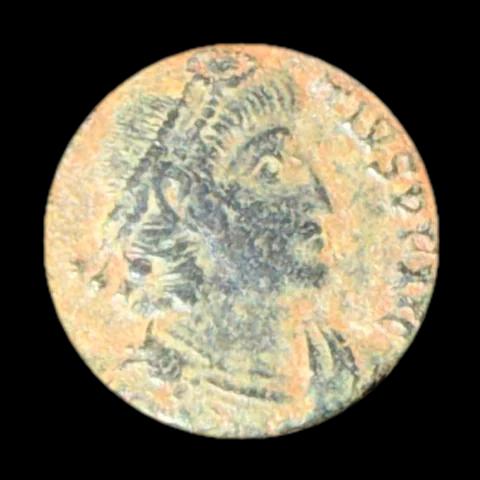
Detectorists look for Roman coins, brooches and military fittings turn up along the road lines and around salt and iron working sites.
AD 400 to 1066
Mercians, Vikings and a Lady
Chester and the Wirral
Around 616 Northumbrian forces beat the Britons near Chester, and the area slid into the kingdom of Mercia. In 907 Æthelflæd, the Lady of the Mercians, refortified Chester against raiders.
Norse settlers came into the Wirral from Ireland in the early 900s, and the shore at Meols became one of the richest metal find sites in the North West. Place names ending in by and thing still mark where they settled.
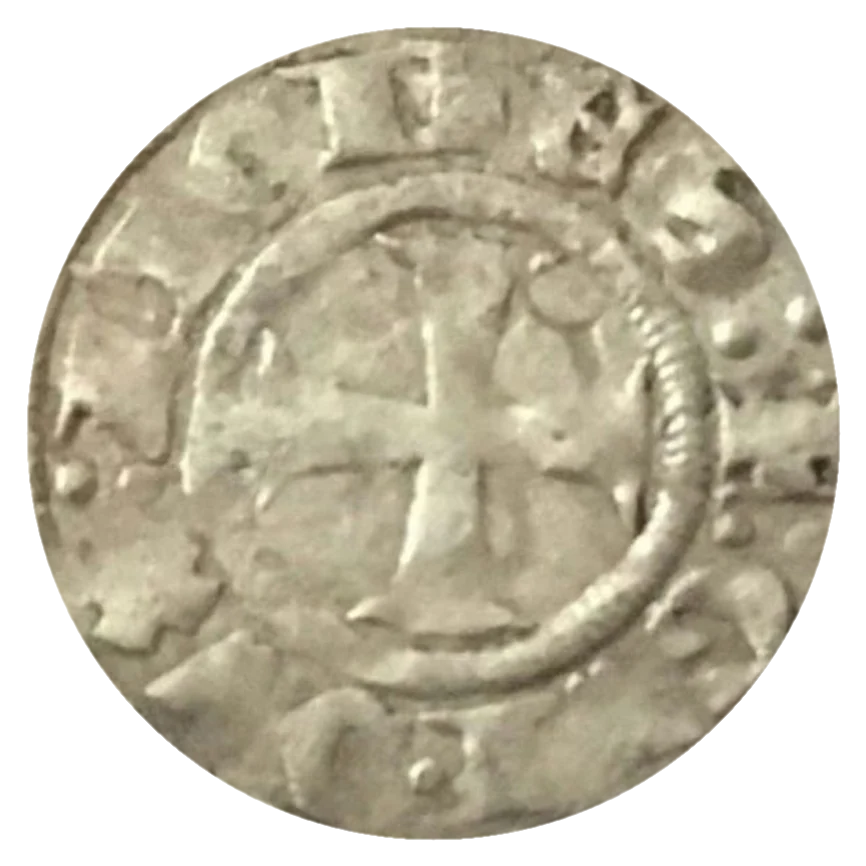
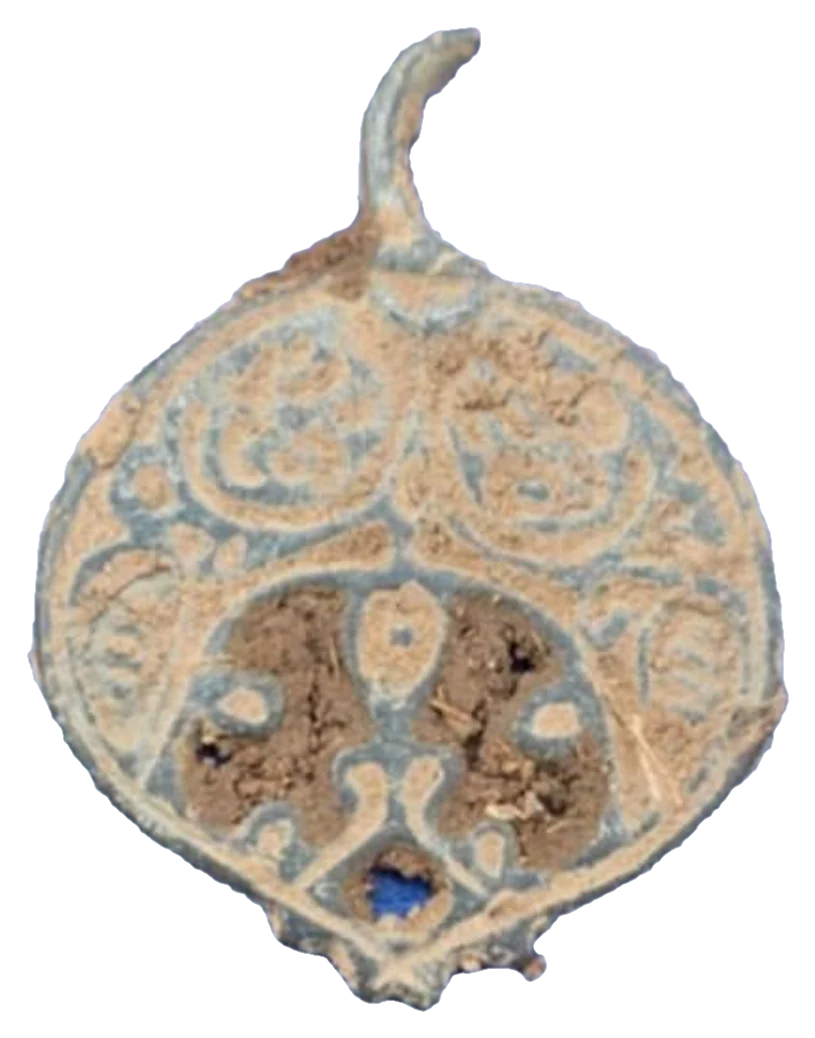
Detectorists look for Strap ends, brooches, early silver pennies and the occasional Viking age weight.
1066 to 1500
Earls, castles and archers
Beeston and Chester
William gave Cheshire to Hugh d’Avranches, called Hugh Lupus, in 1071. Cheshire became a county palatine, with an earl who ruled almost like a king. Ranulf de Blondeville began Beeston Castle on its crag in the 1220s.
Manchester was a small market town until its charter of 1301. Cheshire archers had a hard reputation, and Richard II kept a bodyguard of them.
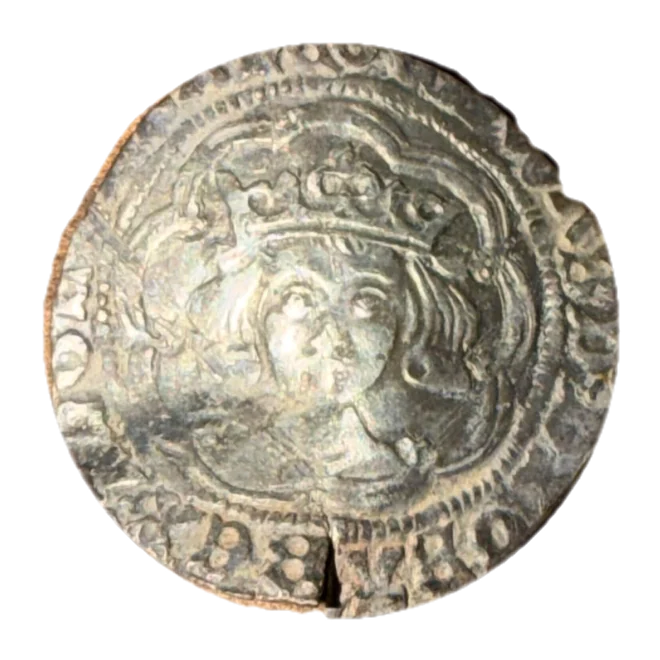
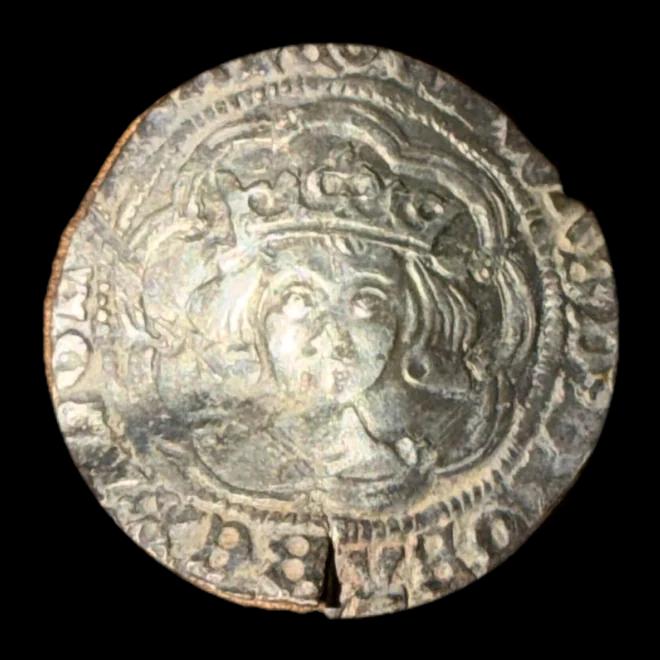
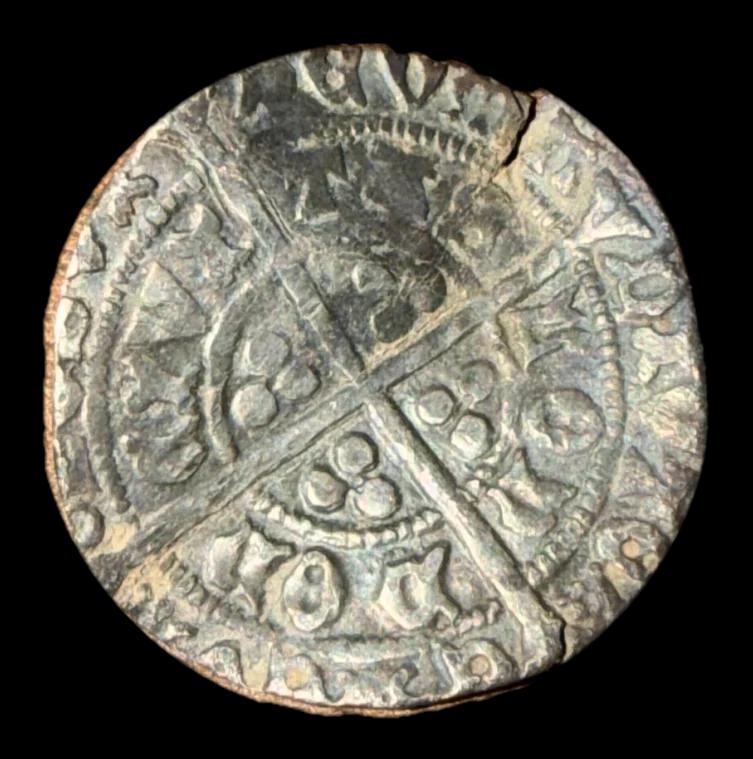
Detectorists look for Hammered silver pennies, buckles, seal matrices, pilgrim badges and lost coins from market days.
1500 to 1700
A county at war
Nantwich and Chester
The Civil War split the region. Manchester held for Parliament through a siege in 1642. At Nantwich, in January 1644, a Parliamentary army broke the Royalist siege and took hundreds of prisoners. Chester held out for the King until early 1646.
Chester was besieged from 1645, and the Royalists were beaten at Rowton Heath in September of that year before the city finally surrendered in February 1646. Armies marched, camped and fought across the Cheshire plain for years.
Fields across Cheshire still hold the lead of that war, and the coins and buttons of the people who lived through it.
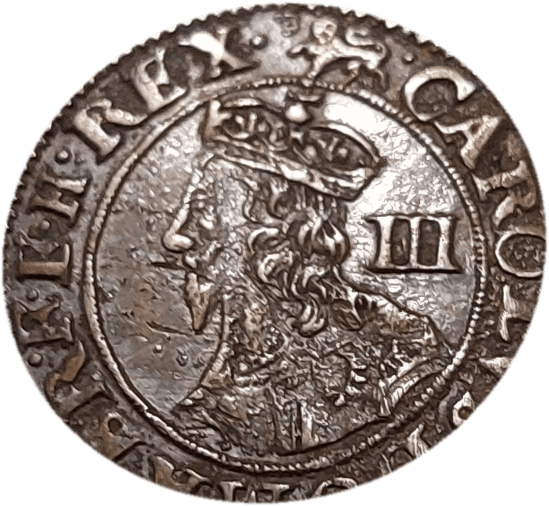
Detectorists look for Musket balls, pistol shot, hammered shillings and sixpences, clothing fittings.
1700 to today
Salt, cotton and canals
Manchester
The Bridgewater Canal opened in 1761 and carried coal into Manchester. The Liverpool and Manchester Railway followed in 1830. Manchester became the first great industrial city, while Cheshire farmed, mined salt and made its cheese.
The people of that city left small things everywhere: tokens, buttons, thimbles and coins dropped on the way to markets and mills.
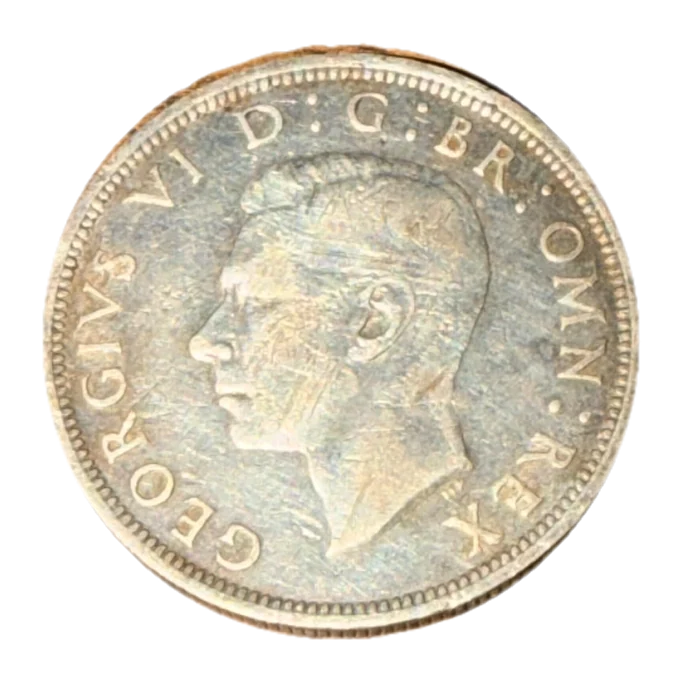
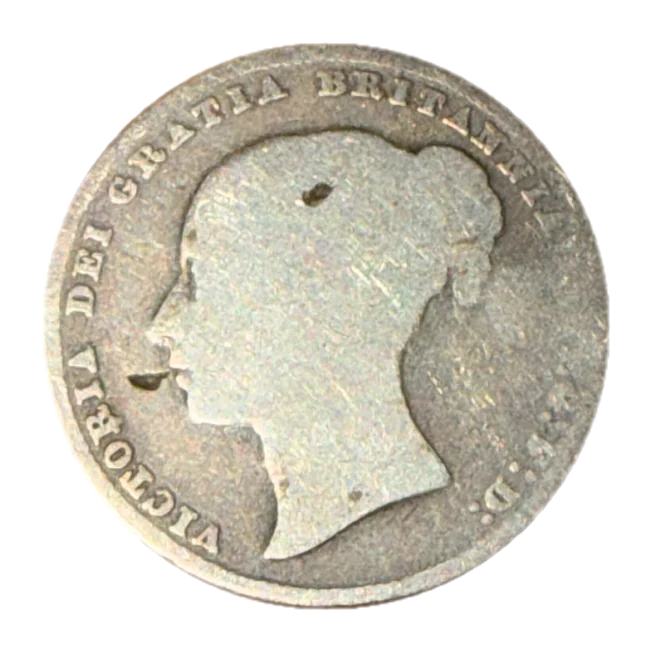
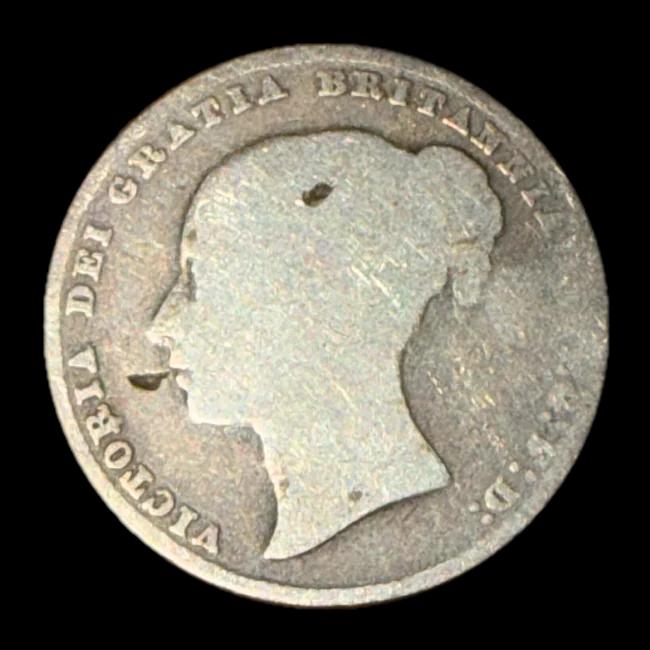
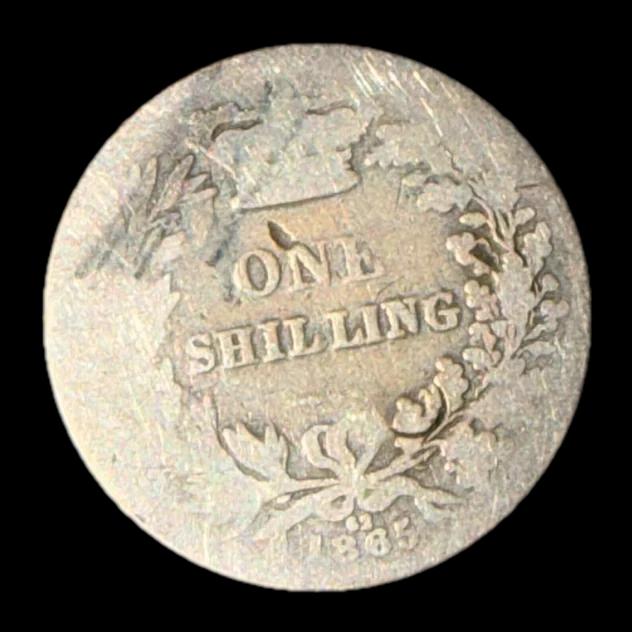
Detectorists look for Trade tokens, Georgian and Victorian coins, buttons, toys and tools.
A short guide, not a full history. Dates are the commonly accepted ones. Your guide will tell you more about the specific farm you are on.