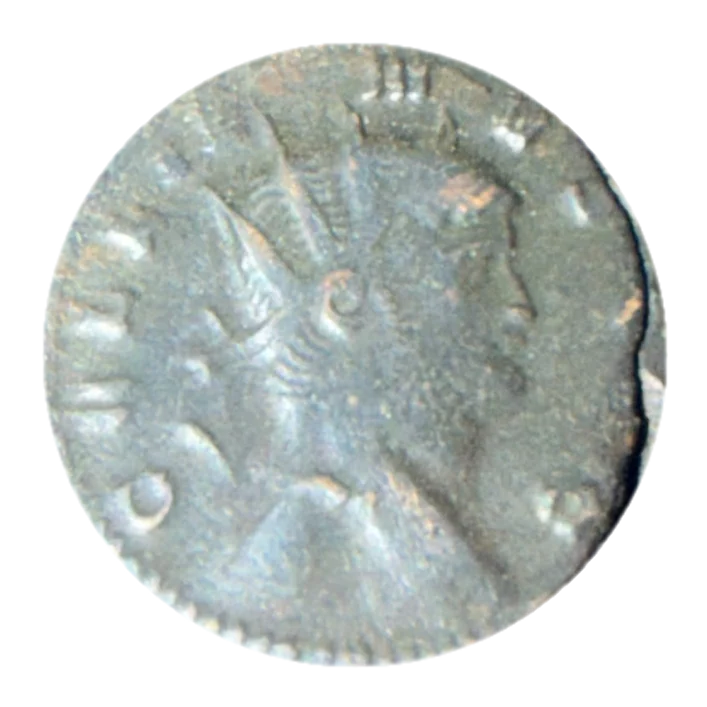
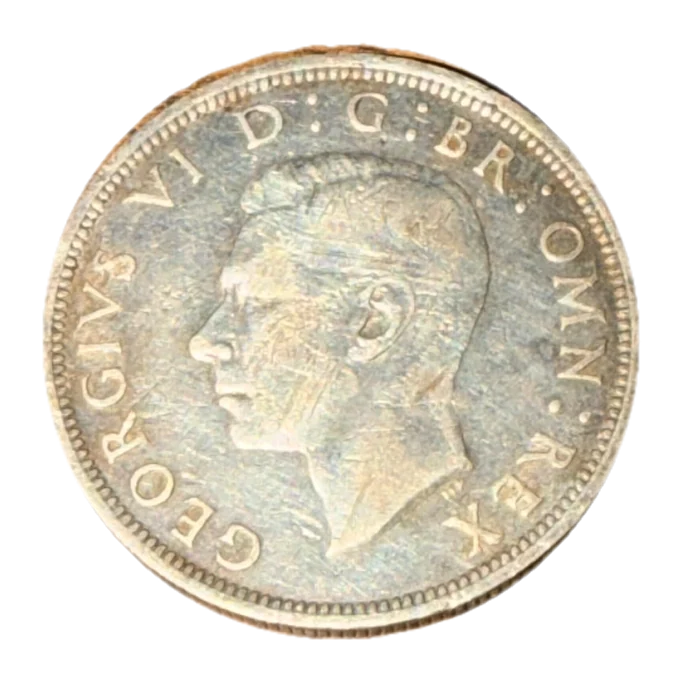
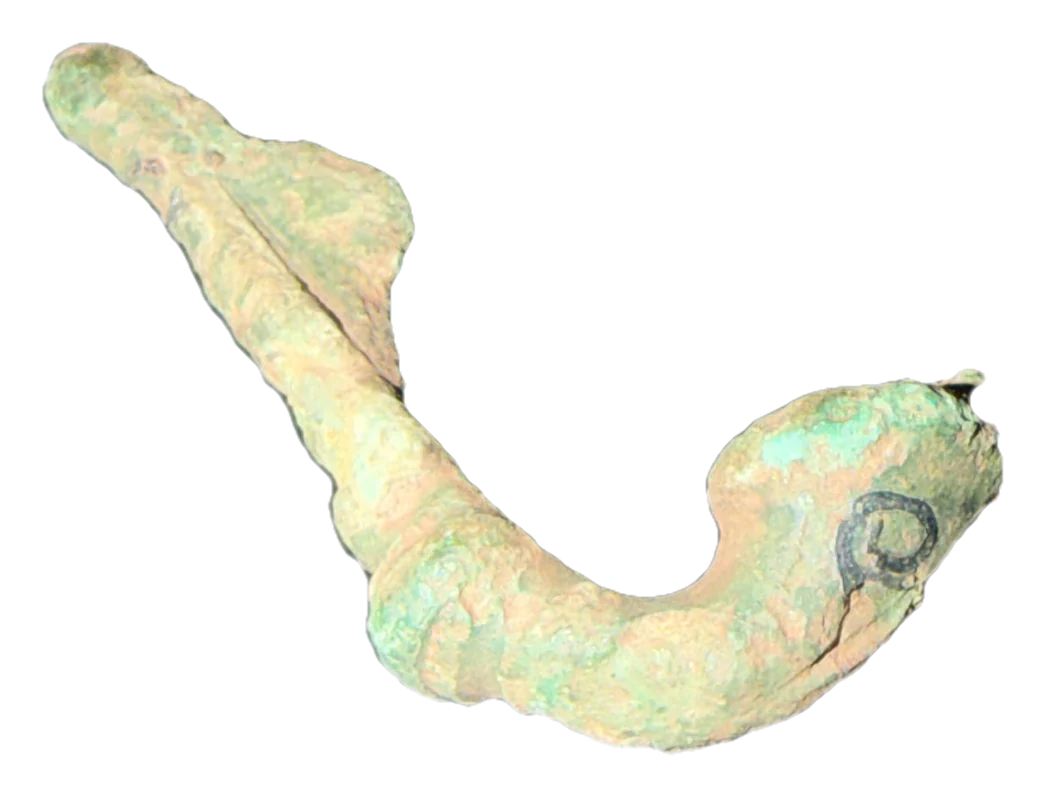



Yes. In England, anyone, including visitors from the US, can metal detect on land where the owner has given permission. No license is needed for the detector. Scheduled monuments are off limits, treasure must be reported within 14 days, and finds over 50 years old need an export licence to leave.
The simple version
In England, detecting on private land needs the permission of the landowner or occupier. You do not need a licence for the detector itself. Land that is a scheduled monument is off limits without consent from Historic England, which a landowner cannot give, and Sites of Special Scientific Interest and land in some farm schemes have their own restrictions.
If you find treasure
Treasure must be reported within 14 days, through the local Finds Liaison Officer, to the coroner. Treasure belongs to the Crown, and a reward can go to the finder and the landowner. Since 30 July 2023 the definition of treasure also covers some objects over 200 years old because of their historical, archaeological or cultural significance. Failing to report treasure is an offence.
Recording finds
Americans are often surprised that recording is such a normal part of detecting in England. The Portable Antiquities Scheme exists to record finds made by the public. Recording non treasure finds is voluntary but strongly encouraged.
Going home
Archaeological objects found in UK soil that are more than 50 years old need an individual export licence from Arts Council England before they leave the UK. The licence is free to apply for. Recording the find with the Portable Antiquities Scheme first is best practice, and objects that may be treasure cannot leave until the treasure process has finished.
Quick answers
Is it legal for a tourist to metal detect in the UK?
Yes, in England with the landowner's permission and subject to the rules above. This page covers England only; Scotland, Wales and Northern Ireland differ.
Sources
- NCMD, overseas visitors
- Treasure Act 1996 Code of Practice (GOV.UK)
- Report treasure (GOV.UK)
- Ancient Monuments and Archaeological Areas Act 1979, section 42
- Arts Council England, export of cultural goods
Rules change. This guide was last reviewed on 27 November 2026. It is not legal advice, so check the official sources above before you travel.